Introduction: Finding the Easiest Way to Relieve Stress
Stress is an inevitable part of life. From juggling work demands to managing personal responsibilities, it can feel overwhelming at times. While many turn to common advice like “take deep breaths” or “go for a walk,” finding truly effective and easy stress-relief techniques can often feel elusive. In today’s fast-paced world, managing stress isn’t just about relaxation—it’s about building strategies that fit seamlessly into your life.
The easiest way to relieve stress is surprisingly simple: small, consistent actions. These actions can transform your ability to handle stress without requiring massive lifestyle changes. Whether you’re a student dealing with exam pressure, a manager balancing deadlines, or a parent navigating family responsibilities, personalized stress management is key. For example, many overlook body stress release through reflexology or the power of breathing exercises for anxiety tight chest relief.
It’s also crucial to rethink some popular misconceptions. For instance, while alcohol may seem like a quick fix for relaxation, it’s rarely the best option. Instead, focusing on natural methods, like mindfulness and the best stress-relieving activities, can create sustainable calm.
This guide explores 10 proven techniques for stress relief, offering practical solutions for everyone—from chronic stress management to relaxation tailored for students and professionals. Discover the strategies that experts rarely discuss and create a calmer, healthier mind today.
1. Deep Breathing: The Simplest Stress Reliever
When stress strikes, your breathing often becomes shallow and rapid, fueling your anxiety. But here’s the good news: controlling your breath is one of the easiest and most effective ways to calm your mind and body.
Why Deep Breathing Works:
Deep breathing activates your body’s natural relaxation response. It slows your heart rate, reduces cortisol levels, and helps you focus on the present moment. Just a few minutes of focused breathing can provide anxiety tight chest relief and bring a sense of calm.
How to Practice Deep Breathing:
Find a Quiet Space: Sit or lie down comfortably.
Inhale Slowly: Breathe in deeply through your nose for a count of four.
Hold Your Breath: Pause for a count of four.
Exhale Gently: Release the breath through your mouth for a count of six.
Repeat: Practice for 3–5 minutes or until you feel more relaxed.
Deep breathing is a small action with big results. Whether you’re at work, in class, or winding down at home, this simple technique can help you reset and tackle stress with a clearer mind.
2. Mindful Movement: Relieve Stress Through Motion
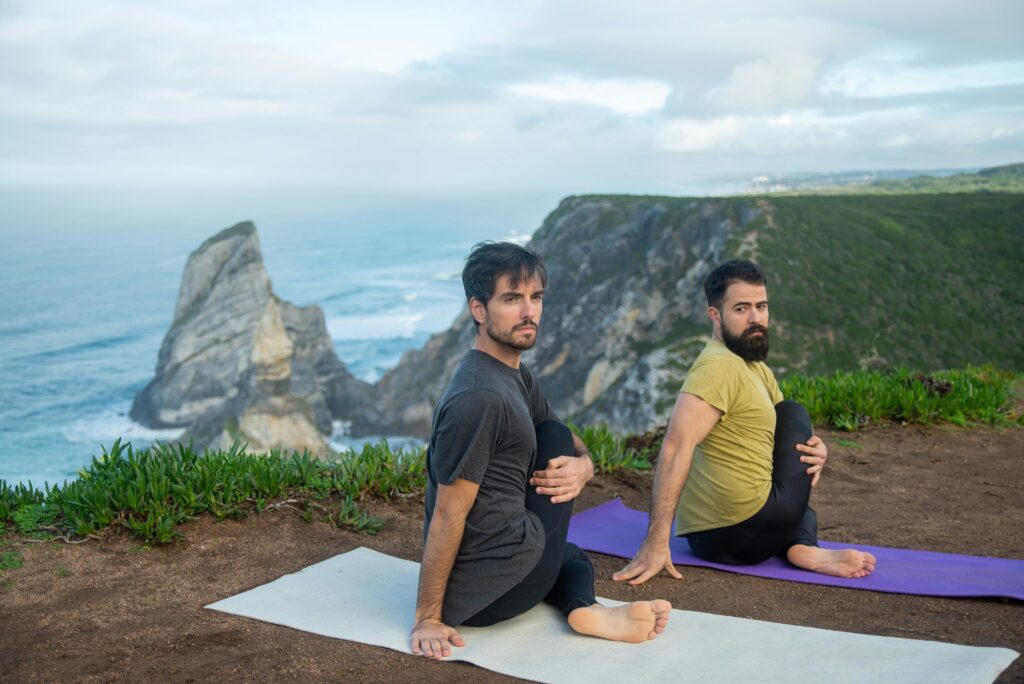
Movement isn’t just for staying fit—it’s also a powerful tool for relaxation and stress relief. Whether it’s a gentle stretch or a walk in the park, mindful movement helps you release tension, improve focus, and feel grounded.
Why Movement Helps with Stress:
Stress often shows up in the body as tight muscles, headaches, or fatigue. Engaging in mindful movement promotes body stress release by improving circulation and reducing physical tension. It also boosts endorphins, your body’s natural mood lifters.
Simple Mindful Movement Practices:
Stretch It Out: Start your day with gentle stretches to loosen stiff muscles. Focus on your neck, shoulders, and back, where stress tends to build.
Take a Walk: Walking outdoors combines physical activity with the calming effects of nature. Aim for 10–15 minutes, even if it’s just around your neighborhood.
Try Gentle Yoga: Poses like Child’s Pose or Cat-Cow are perfect for relaxation and stress management.
Mindful movement doesn’t require a gym or equipment. All it takes is a few minutes to connect with your body and let go of stress, leaving you refreshed and energized.
3. The Calming Power of Nature
Nature has an incredible ability to calm the mind and restore balance. Spending time outdoors is not just a break from the daily grind—it’s one of the best stress-relieving activities for both mental and physical well-being.
How Nature Reduces Stress:
Lowers Stress Hormones: Research shows that being in nature reduces cortisol, the hormone linked to stress.
Boosts Mood: The sights, sounds, and smells of nature naturally lift your spirits and provide relaxation.
Improves Focus: A stroll in a park or forest enhances mental clarity and reduces mental fatigue.
Simple Ways to Reconnect with Nature:
Take a Green Break: Step outside for a few minutes during work or study. Even looking at trees or plants can help.
Garden Therapy: Gardening is a therapeutic way to connect with the earth while reducing stress.
Outdoor Workouts: Move your exercise routine outdoors for a double dose of stress relief.
Forest Bathing: Spend time in a wooded area without distractions. Simply immerse yourself in the environment and breathe deeply.
Nature’s calming power is available to everyone, whether it’s a backyard, a park, or a hiking trail. A little fresh air and greenery can work wonders for relaxation and stress management.
4. Natural Remedies for Stress Relief
Natural remedies offer a gentle yet effective way to manage stress without relying on medication. Many of these approaches tap into your body’s natural ability to heal and relax. Here are some proven methods:
Aromatherapy: Scents like lavender, chamomile, and eucalyptus are known to reduce stress and promote relaxation. Diffuse these essential oils or add a few drops to a warm bath.
Herbal Teas: Chamomile, green tea, and ashwagandha are excellent for calming the nervous system. Sipping a warm cup can ease anxiety and support chronic stress management.
Body Stress Release Techniques: Reflexology and acupressure target tension points, helping to release stored physical stress. These methods are particularly effective for reducing muscle tension and improving sleep.
Mindful Nutrition: Eating magnesium-rich foods like spinach, almonds, and dark chocolate can naturally lower stress hormones. Avoid processed foods, which can worsen anxiety.
Natural remedies also provide a sustainable approach to stress relief, avoiding the side effects often associated with other methods. Regularly incorporating these simple techniques into your routine can offer long-term benefits for both mental and physical well-being.
5. Managing Stress in Students
Students face unique stressors, from academic deadlines to social pressures. Effective stress management for students focuses on practical strategies that fit their busy lives. Here are some helpful techniques:
Time Management: Creating a structured schedule can prevent last-minute cramming and reduce overwhelm. Tools like planners or digital apps help students prioritize tasks and allocate time effectively.
Breaks and Downtime: Taking short breaks during study sessions improves focus and reduces mental fatigue. The “Pomodoro Technique” (25 minutes of study followed by a 5-minute break) works wonders.
Relaxation Practices: Incorporating simple activities like yoga or deep breathing exercises helps students manage anxiety tight chest relief, especially during exams.
Support Systems: Connecting with peers or mentors provides emotional relief and practical advice. Joining study groups or counseling sessions can help reduce feelings of isolation.
Healthy Habits: Poor sleep and nutrition exacerbate stress. Encouraging students to eat balanced meals, stay hydrated, and maintain consistent sleep routines is essential for managing stress long-term.
By addressing these areas, students can build resilience and stay calm, even during challenging times. Effective stress management techniques not only improve academic performance but also support overall mental well-being.
6. The Role of Relaxation in Stress Management
Relaxation is more than just a luxury—it’s a necessity for reducing stress and improving well-being. By calming the mind and soothing the body, relaxation helps to reset your nervous system and restore balance. Below are some unique ways to incorporate relaxation into your daily life:
Short Rituals for Busy Days: Even a 5-minute pause to stretch, breathe deeply, or meditate can make a difference. These quick rituals are easy to fit into packed schedules, especially for those managing stress in students or professionals with tight deadlines.
Nature Walks for Instant Calm: Spending time outdoors has been proven to lower cortisol levels. Whether it’s a walk in the park or gardening in your backyard, connecting with nature fosters relaxation.
Unplugging from Screens: Constant notifications and screen time fuel stress. Designate “screen-free” hours each day to allow your mind to unwind and reconnect with the present moment.
Mind-Body Practices: Techniques such as tai chi or restorative yoga combine movement and mindfulness, promoting both relaxation and body stress release.
Relaxation doesn’t have to be time-consuming. By integrating small yet meaningful practices into your routine, you can create a sanctuary of calm amidst life’s chaos. This intentional focus on relaxation enhances mental clarity and strengthens your ability to handle stress.
7. Journaling: Write Your Stress Away
Journaling is a simple yet highly effective technique to relieve stress. Putting your thoughts on paper can help you process emotions, gain clarity, and let go of overwhelming feelings.
Why Journaling Works:
Emotional Release: Writing down your worries allows you to express emotions that might be difficult to articulate otherwise.
Perspective Shift: Seeing your thoughts on paper helps you organize them, making problems feel more manageable.
Tracks Progress: Journaling can help you identify stress patterns and triggers, empowering you to address them effectively.
How to Get Started with Journaling:
Free Writing: Spend 5–10 minutes writing whatever comes to mind without judgment.
Gratitude Journaling: List three things you’re grateful for each day to shift focus from stress to positivity.
Problem-Solving: Write about a challenge and brainstorm possible solutions.
Emotional Check-Ins: Note how you’re feeling and what may have caused those emotions.
Journaling doesn’t require special skills or a fancy notebook—just a pen, paper, and a few quiet moments. This practice not only helps with stress and anxiety relief but also promotes self-awareness and emotional growth..
8. Breaking the Stress-Alcohol Cycle
While some turn to alcohol for temporary stress relief, this habit often leads to more harm than good. Here’s a closer look at how stress and alcohol interact:
The Temporary Fix: Alcohol may seem to calm your nerves initially. It slows down brain activity, which might feel like relaxation. However, this effect is short-lived, and stress often returns stronger once the alcohol wears off.
Impact on Sleep: Alcohol disrupts deep sleep cycles, leading to poor-quality rest. Over time, this lack of restorative sleep worsens anxiety and fatigue.
Health Risks: Relying on alcohol for stress relief increases the risk of dependency, liver damage, and other health problems.
Effective Alternatives: Replace alcohol with healthier stress-relieving activities. Herbal teas like chamomile or passionflower mimic the calming effects of alcohol without the negative consequences. Physical activity or mindfulness practices also provide natural relief.
Breaking the stress-alcohol cycle requires intentional choices and awareness of the long-term impacts. Alcohol and stress relief may feel linked, but finding healthier outlets empowers you to manage stress sustainably and protect your overall well-being.
9. The Power of Mindfulness in Stress Management
Mindfulness is one of the most effective ways to combat stress by bringing your attention to the present moment. Unlike other techniques, mindfulness doesn’t require any special equipment or long sessions—it’s a skill anyone can cultivate.
How Mindfulness Reduces Stress:
Focus on the Now: Mindfulness shifts your focus from worrying about the future or dwelling on the past to appreciating the present moment.
Emotional Regulation: By observing your thoughts and feelings without judgment, you gain better control over your reactions to stress.
Physical Benefits: Studies show that mindfulness lowers cortisol levels, reduces blood pressure, and promotes body stress release.
Easy Ways to Practice Mindfulness:
Mindful Breathing: Take a few minutes to focus solely on your breath. Feel the air entering and leaving your lungs, creating a calming rhythm.
Body Scan Meditation: Lie down or sit comfortably. Slowly bring your attention to each part of your body, releasing tension as you go.
Mindful Eating: Focus on the flavors, textures, and sensations of your food to turn a daily task into a calming experience.
Mindfulness isn’t about emptying your mind; it’s about creating space for clarity. Regular practice not only helps with chronic stress management but also enhances overall emotional resilience.
10. Building Long-Term Resilience Against Stress
Long-term resilience helps you handle stress better and recover faster. It’s about creating habits that keep you strong, even in tough times.
Simple Steps to Build Resilience:
Stay Active: Regular exercise boosts your mood and reduces stress. Even a daily walk can help.
Eat Well: Include healthy foods like vegetables, nuts, and fish. Avoid too much caffeine or sugar, which can make stress worse.
Connect with Others: Spend time with friends, family, or support groups. Talking about your feelings can ease stress.
Break Down Tasks: Big problems feel smaller when you tackle them step by step. This is especially helpful for students or busy professionals.
Building resilience isn’t complicated. Small changes in your daily life can make you stronger and more prepared to handle stress over time.
Conclusion: Embrace Stress Relief for a Balanced Life
Stress is a part of life, but how you handle it shapes your overall well-being. By applying techniques like deep breathing, mindful movement, journaling, and laughter therapy, you can take control of stress and create a more balanced, resilient life. These practices aren’t just quick fixes—they are science-backed methods that empower you to face challenges with clarity and calm.
The journey to stress relief is personal, so take the time to explore which methods resonate with you. Small changes can lead to lasting results, helping you build healthier habits over time. For more expert tips and advice, visit the American Psychological Association’s stress management guide to deepen your understanding and discover even more ways to stay calm and focused.
Remember, stress relief isn’t just about feeling better—it’s about living better. Start today, and make stress management a daily priority for a happier, healthier you.